Barbie Wedding: The Handwritten Font for a Sweet Touch
In the world of design, certain typefaces carry a distinct personality that immediately sets a mood. Barbie Wedding is one such font, a sweet and friendly handwritten display font that brings a genuine sense of warmth and approachability to any project. It’s not just a set of letters; it’s a design asset that can transform the tone of your work, making it feel more personal, inviting, and joyful. For designers, entrepreneurs, and creators looking to inject a bit of charm into their visuals, understanding how to leverage this creative font effectively is key to unlocking its full potential.
Visual Style and Character
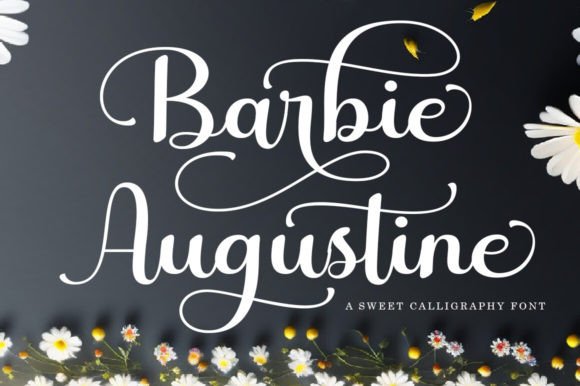
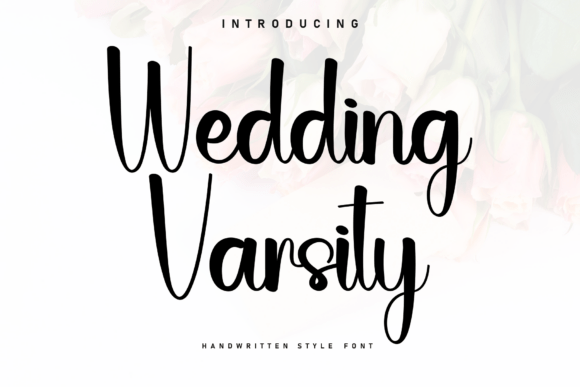
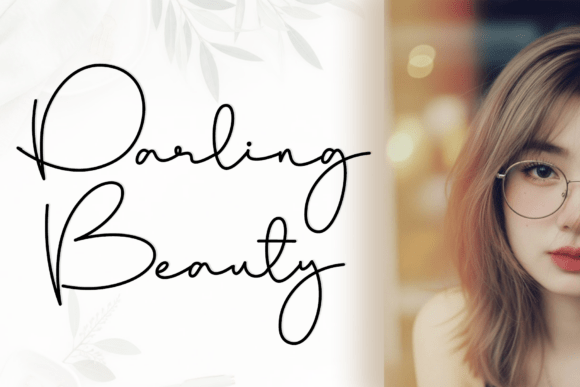
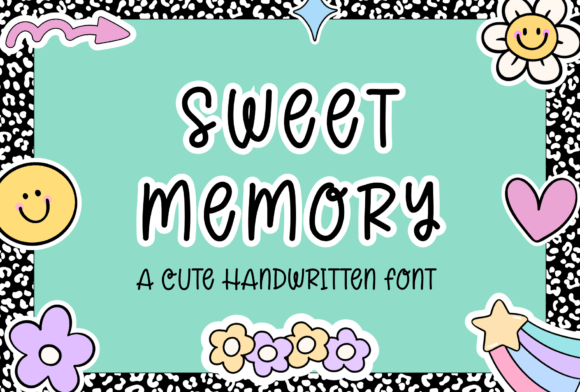
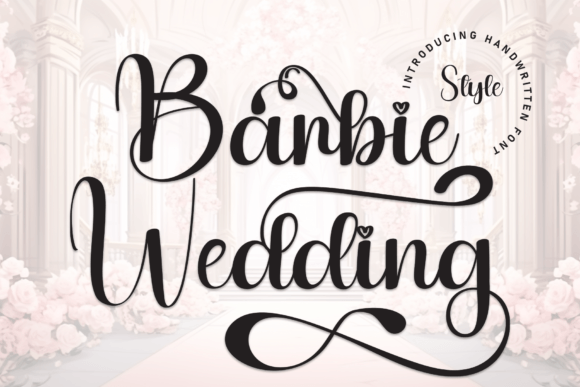
At its core, Barbie Wedding is a handwritten font characterized by its smooth, flowing curves and a distinctly friendly demeanor. The letterforms mimic a natural, casual script, avoiding the rigid precision of a sans serif font or the structured elegance of a classic serif font. This gives it an organic, human touch that feels authentic and approachable. The strokes are generally consistent in weight, providing a clean readability that’s often a challenge with more elaborate script font styles. It’s the kind of typeface that feels like it was written with a loving hand, making it perfect for contexts where emotion and personal connection are paramount.
The overall appeal lies in its balance. It’s playful without being childish, and elegant without being stuffy. This versatility is what makes it a standout premium font choice. Unlike highly decorative fonts that can quickly overwhelm a design, Barbie Wedding offers a gentle charm that complements rather than dominates. Its sweet personality shines through in applications where a soft, positive, and friendly voice is needed, making it a valuable tool in a designer’s toolkit for specific, targeted projects.
Where This Font Truly Shines: Practical Applications
Knowing a font’s character is one thing; knowing where to apply it is another. Barbie Wedding excels in projects where the goal is to create a direct, emotional connection with the audience. Its handwritten nature makes it a natural fit for personal and celebratory designs.
Wedding and Event Stationery: As its name suggests, this font is ideal for wedding invitations, save-the-dates, RSVP cards, and thank-you notes. It sets a romantic, personal tone right from the first glance. Beyond weddings, consider it for baby shower invites, birthday party decorations, or any event where a sweet, celebratory vibe is desired.
Branding and Marketing: For small businesses, especially in the lifestyle, beauty, or artisanal food sectors, Barbie Wedding can be a powerful element in logo design or brand mark creation. It suggests a brand that is approachable, caring, and detail-oriented. Use it for product labels on handmade goods, packaging design for boutique items, or social media graphics that need to feel personal and engaging. It can be particularly effective in call-to-action buttons or highlight text on a website, adding a touch of warmth to the web design.
Editorial and Publishing: In editorial design, this font is best used sparingly for impact. Think pull quotes in a magazine, chapter titles in a lifestyle book, or headers in a blog post about personal stories. Its high-contrast, friendly style makes it excellent for grabbing attention in a sea of more neutral body text, which is typically set in a clean sans serif font or readable serif.
Digital Content and Social Media: The digital space is where Barbie Wedding can really engage an audience. It’s perfect for Instagram quotes, Pinterest pin titles, YouTube video thumbnails, or email newsletter headers. Its handwritten style breaks through the digital noise, creating a feeling of authenticity that resonates with viewers scrolling through their feeds.
Design Strategy: Using Barbie Wedding Effectively
Simply choosing a beautiful font isn’t enough; strategic application is what makes design work. Here’s how to integrate Barbie Wedding into your projects with professionalism and impact.
Evaluate Project Fit: This is a display font, meaning it’s designed for headlines, logos, and short bursts of text, not for long paragraphs. Ask yourself: does the project’s tone call for a sweet, handwritten, and personal feel? If you’re designing a corporate financial report, it’s likely not the right choice. But for a bakery’s menu or a wedding photographer’s portfolio, it could be perfect.
Mastering Font Pairing: The key to using any expressive font is pairing it wisely. Barbie Wedding works beautifully with clean, neutral typefaces that provide contrast and ensure overall readability. Pair it with a simple geometric sans serif font for body text or a classic, understated serif font for a more traditional feel. The handwritten style should be the star of the show in headlines, while the supporting font does the heavy lifting for longer copy.
Consider Readability and Hierarchy: While Barbie Wedding is designed for clarity at display sizes, always test it in context. Ensure the letter spacing (tracking) and line height (leading) are appropriate for the medium, whether it’s a printed card or a mobile screen. Use it to establish a clear visual hierarchy—it should draw the eye to the most important message, like an event name or a key promotional offer.
Review Licensing and Styles: As a commercial font, it’s crucial to check the licensing terms to ensure they cover your intended use, whether for a personal project or a commercial client product. Also, explore if the font family includes additional styles, like a bold or italic version, which can offer more flexibility within your design assets.
Build Brand Recognition: When used consistently across touchpoints—from your logo design to your social media graphics and packaging design—a distinctive font like Barbie Wedding becomes a recognizable part of your brand identity. It helps tell your brand’s story and fosters a connection with your audience that feels genuine and memorable.
In the end, Barbie Wedding is more than just a sweet handwritten font. It’s a strategic tool for adding a layer of human connection and friendly appeal to your creative work. By understanding its strengths and applying it thoughtfully, you can enhance engagement, convey the right emotion, and create designs that truly resonate.