Love Flower: A Handwritten Font for Authentic Projects
There's a specific kind of warmth that a typed, digital font can't quite capture. It's the slight imperfection of a handwritten note, the personal touch that says a real person was here. That's the feeling the Love Flower font brings to the table. It’s a cute handwritten font, but it’s more than just a novelty. It’s a tool for designers, creators, and small business owners who need to inject a dose of genuine personality into their work without sacrificing clarity or versatility.
Understanding the Personality of Love Flower
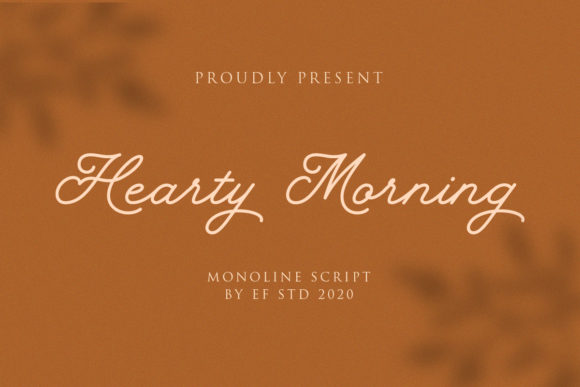
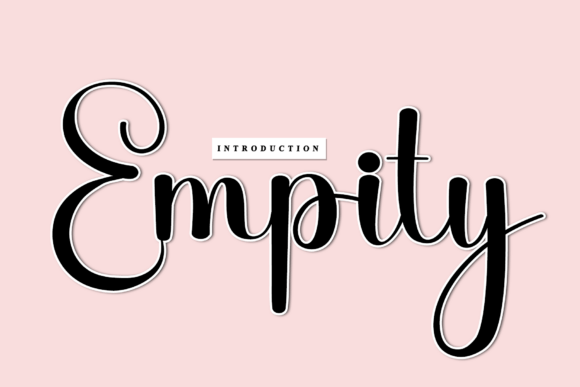
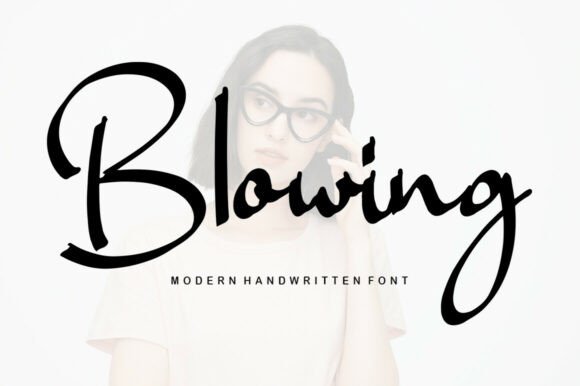
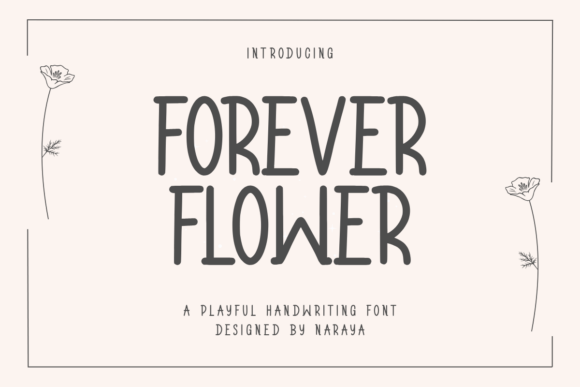
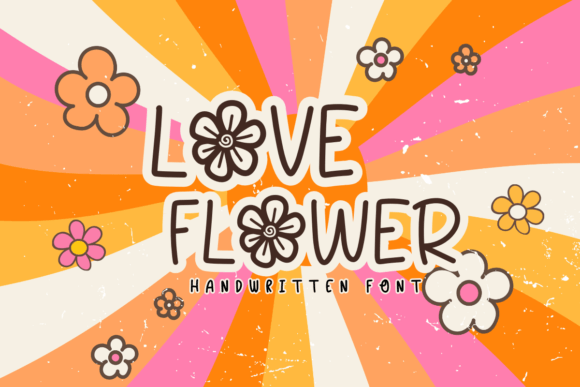
At its core, Love Flower is a script font that mimics the organic flow of a felt-tip pen or a fine brush. The letterforms are friendly and approachable, with rounded edges and a consistent, gentle baseline that avoids the chaotic look of some handwritten fonts. It strikes a delicate balance: it’s clearly casual and personal, yet it maintains a legibility that makes it functional for more than just a quick scribble.
The visual character is soft, inviting, and slightly whimsical. It doesn’t demand attention with sharp, aggressive strokes. Instead, it draws you in with its charm. Think of it as the typographic equivalent of a friendly smile. This makes it an excellent display font for headlines, quotes, and short bursts of text where you want to establish an emotional connection immediately. It’s the opposite of a sterile, corporate sans serif font or a traditional, authoritative serif font. Its strength lies in its ability to feel handmade and authentic in a digital space.
Where Love Flower Truly Shines: Practical Applications
The real value of a creative font like this is measured by its application. Love Flower isn’t just for making greeting cards, though it excels there. Its utility spans a wide range of projects for both personal and commercial use.
For Branding and Marketing
For a small business, brand identity is everything. Using Love Flower in your logo design or as a secondary typeface in your brand kit can instantly communicate friendliness and approachability. It’s perfect for:
- Social Media Graphics: Instagram stories, quote posts, and promotional banners that need to stop the scroll with a personal feel.
- Packaging Design: Labels for artisanal products, bakery boxes, or boutique goods where a handmade aesthetic is part of the brand story.
- Email Marketing: Headlines in newsletters that feel less like an ad and more like a note from a friend.
When used thoughtfully, it helps build a brand identity that feels human and relatable, which can significantly boost audience engagement.
For Digital and Print Publishing
Bloggers and content creators can use Love Flower to add visual interest to their sites. It works beautifully for pull quotes, chapter titles in a digital magazine, or as a stylized font for call-to-action buttons in web design. In editorial design, it can break up the monotony of body text, creating a dynamic visual hierarchy that guides the reader’s eye.
For Personal Projects and Crafters
This is where the font’s charm is most direct. It’s ideal for:
- Designing personalized stationery, invitations, and thank-you notes.
- Creating unique quotes for wall art or journaling.
- Adding a custom touch to DIY projects like mugs, shirts, and tote bags.
Making Love Flower Work for Your Design: Practical Guidance
Choosing a premium font is an investment. Here’s how to ensure Love Flower is the right fit and how to use it effectively.
Evaluate the Project Fit
First, consider your project’s tone. Love Flower is perfect for projects aiming for warmth, creativity, and approachability. It would be less suitable for a law firm’s annual report or a technical manual. Its strength is in emotional appeal, not formal authority. Always test the font with your actual content to see if the personality aligns with your message.
Master the Font Pairing
A great font pairing is essential for modern typography. Love Flower works best when contrasted with a clean, simple companion. A good rule of thumb is to pair a expressive script font with a neutral sans serif font.
- For Headlines: Use Love Flower for the main headline and a font like Montserrat, Open Sans, or Lato for subheadings and body copy. This creates a clear hierarchy without visual clutter.
- For Body Text: Avoid using Love Flower for long paragraphs. Its handwritten nature can reduce readability in large blocks. Use it sparingly for impact.
Check the Details and Licensing
Before finalizing your design, review the font package. Check what styles are included (e.g., regular, bold, italic). Ensure the character set supports all the glyphs you need, especially if you’re designing for international audiences. Most importantly, verify the commercial font license. If you’re using it for client work, merchandise, or products for sale, you need to ensure the license permits that use. This is a critical step in maintaining professionalism and avoiding legal issues.
The Strategic Value of a Handwritten Touch
In a world saturated with generic digital content, the deliberate choice of a handwritten font like Love Flower is a strategic one. It’s not just about decoration; it’s about communication. It influences brand perception, making a business seem more accessible and trustworthy. It enhances visual hierarchy, guiding the viewer through your design with intentional focal points. It fosters recognition, as a consistent typographic style becomes a hallmark of your brand.
Ultimately, Love Flower is a versatile design asset. It’s a tool that, when used with intention and skill, can transform a mundane project into something memorable and engaging. Whether you’re crafting a brand identity, designing marketing materials, or creating a personal gift, its charm lies in its ability to make your work feel genuinely human. It’s a reminder that sometimes, the most powerful connection is the one that feels hand-delivered.